
Vandalism protection · Perth · Since 1995
Anti-Graffiti
Film Perth
An optically clear sacrificial layer over your glass. When the tagging, scratching or acid etching happens, it happens to the film — and we peel it off and fit a new one instead of replacing the pane.
— Fitted across Perth since 1995 — Invisible once installed — Replaced in hours, not days
How it works
A layer that takes the damage instead of your glass
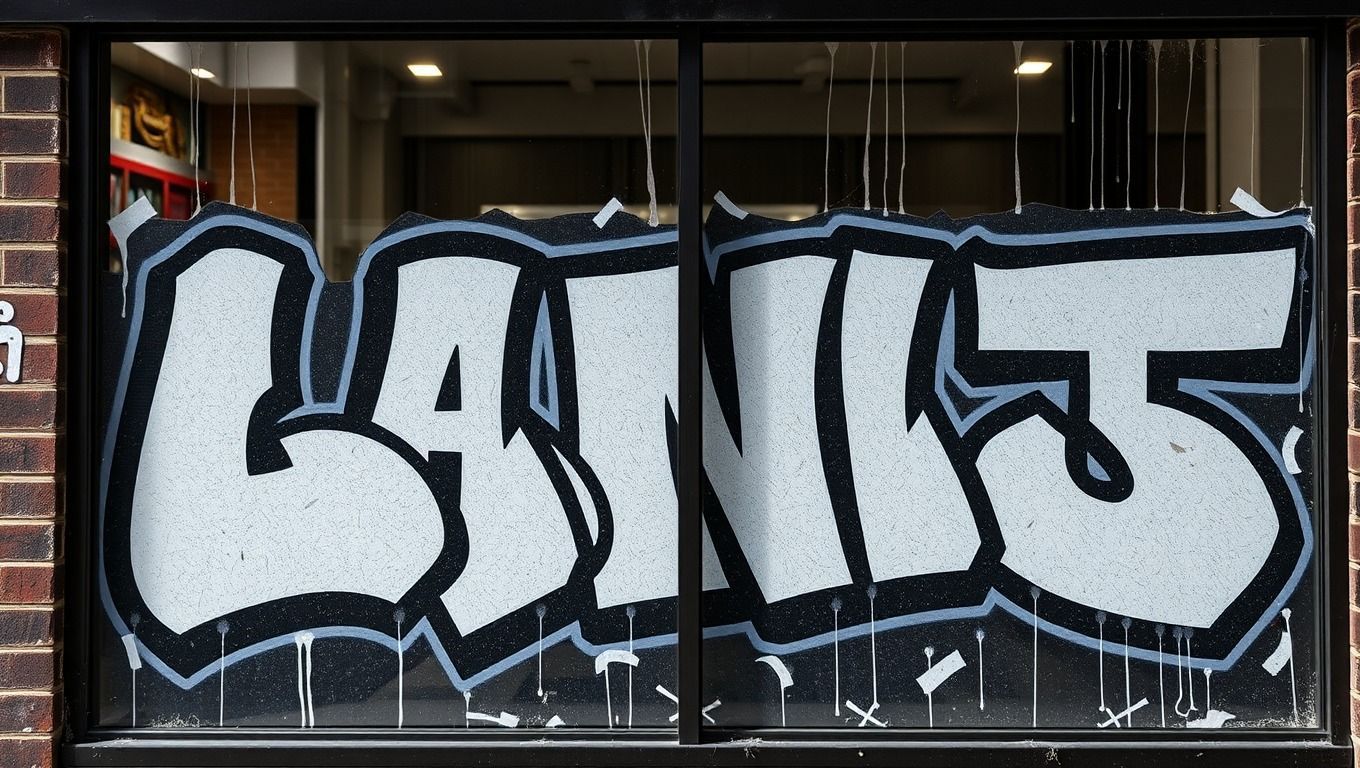
Anti-graffiti film is a thick, optically clear polymer applied over the surface you want to protect. It's designed to be destroyed. When it is, the damaged layer comes off and a fresh one goes on — the glass underneath is untouched.
That's the whole idea, and it's why the maths works. Replacing a large commercial pane means glazing costs, a hoarded-up shopfront and days of looking closed. Replacing a layer of film is a scheduled visit measured in hours.
Protection
What it protects against
Paint and markers
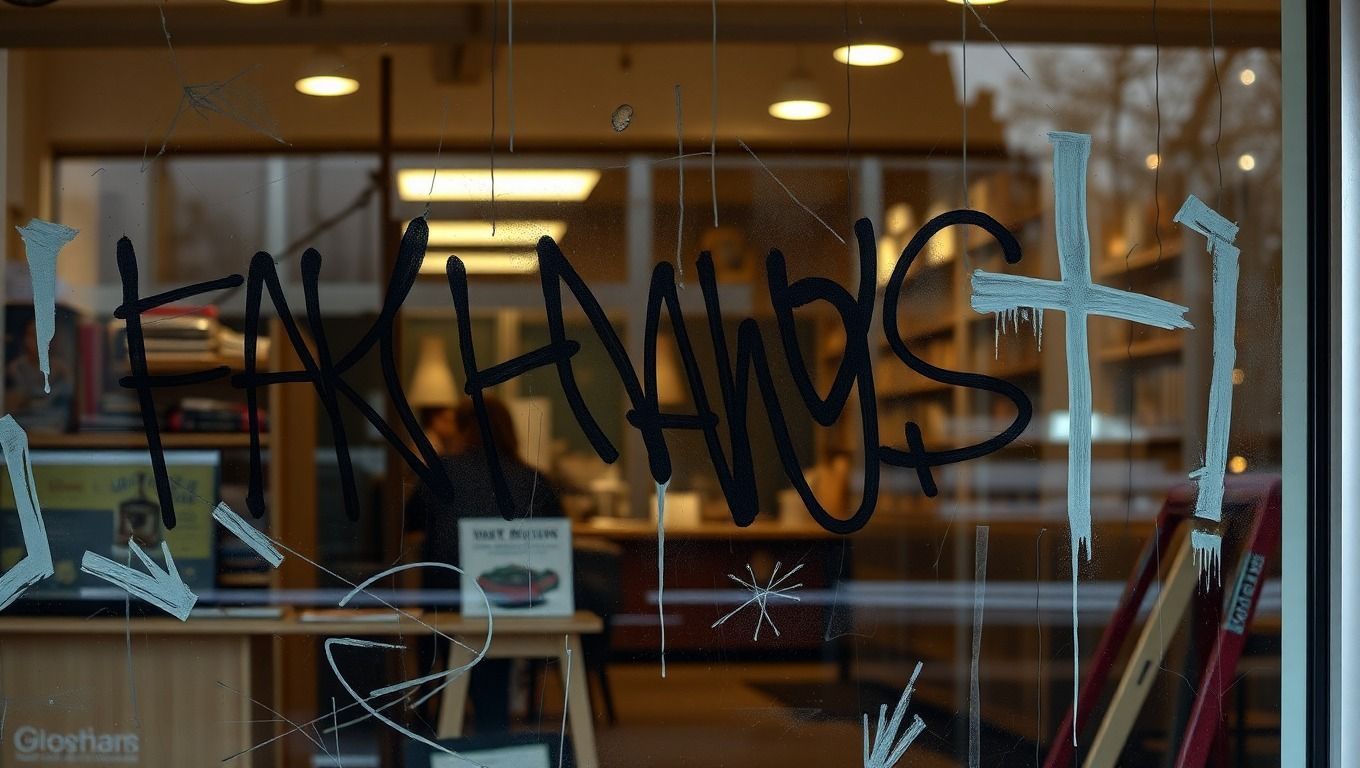
Spray paint and permanent marker sit on the film's surface rather than bonding to your glass. Light tagging often cleans off. Heavy tagging means replacing the layer.
Scratches and gouging
Keys, blades and screwdrivers score the film instead of the glass. This is the most common form of shopfront damage and the most expensive to fix without film.
Acid etching
The worst kind, because on bare glass it's permanent — there's no polishing it out. The film takes the etching and your pane stays unmarked.
It's invisible once it's on
The film is optically clear and distortion free. Customers won't see it, your signage still reads properly, and your window display looks the way it's meant to. It also blocks most UV, which slows the fading of merchandise sitting in a street-facing window.
Applications
Where it's worth fitting
Anywhere public-facing, reachable, and expensive to replace.
Shopfronts and retail
Street-level glass is the primary target for tagging and scratching. It's also your main advertising surface, so damage costs you twice.
Shopping centres
Escalator balustrades, lift doors, bathroom mirrors and glass handrails — high-traffic surfaces that take deliberate damage and everyday wear alike.
Offices and lobbies
Entry glass and internal partitions. Protects against deliberate vandalism and the accidental scuffing that builds up in a busy foyer.
Public transport
Bus and train windows, station glazing and shelters — among the most consistently targeted surfaces anywhere.
Councils and public facilities
Parks, public amenities and community buildings, where repeat tagging turns into an ongoing maintenance line item.
Schools and hospitals
Corridor glazing, mirrors and smooth surfaces in public areas that need to stay presentable and are costly to make safe when broken.
It isn't only for glass
The film goes onto most smooth, non-porous surfaces — stainless steel lift doors, mirrors, marble, acrylics and laminates. Lift interiors and bathroom mirrors are two of the more common non-glass jobs, and both are expensive to replace for what is usually superficial damage.
Cost
What anti-graffiti film costs
Quoted per square metre, after a look at the site. What moves the number is the film thickness — which depends on your risk level — the total area, and how accessible the surfaces are.
[FROM PRICE HERE] — supply a per-square-metre starting figure, and a typical replacement cost per pane.
Replacement after an incident is quoted separately, and it's worth asking about at the same time. Most commercial customers want to know both numbers up front: what protecting the glass costs once, and what putting it right costs each time something happens.
| Replacing the film | Replacing the glass | |
|---|---|---|
| Time on site | Hours | Days, plus lead time on the pane |
| Trading impact | Usually none | Boarded up until glazing arrives |
| Repeat incidents | Replace the layer again | Full cost again, every time |
| Acid etching | Covered — film takes it | Permanent, pane must be replaced |
The process
How it runs
- Site assessment
We look at which surfaces are exposed, what's been hit before, and recommend a film thickness that matches the actual risk rather than the maximum.
- Installation
Surfaces cleaned and prepared, film cut and applied to a clear, bubble-free finish. Scheduled around trading hours where needed.
- After an incident
Call us. We schedule a visit, remove the damaged layer and fit a fresh one. The adhesive is designed to come away cleanly with little to no residue.
Questions
Frequently asked questions
Is the film noticeable on the glass?
What types of vandalism does it protect against?
Can it be applied to surfaces other than glass?
How is damaged film replaced?
Is it cheaper than replacing the glass?
How long does the film last if nothing happens to it?
Service area
Where we work
We're based at 4/53 May Holman Drive, Bassendean, and fit anti-graffiti film across the Perth metropolitan area — retail strips, commercial buildings, council facilities and strata properties.
Managing several sites or a retail portfolio? We can assess them together and hold a stock of your film specification so replacements happen faster after an incident.
Free assessment
Protect the glass before it's hit
If you've already been tagged, ring us and we'll deal with what's there and stop it costing you again. If you haven't, that's the better time to call.
Solarban WA
4/53 May Holman Drive, Bassendean WA 6054
Monday to Friday, 8am–4pm · Commercial work by arrangement





